
Before freeways, regional transit systems, and modern bus hubs shaped daily life in East County, El Cajon played a quiet but important role in Southern California’s transportation history. Long before it was incorporated as a city, the El Cajon Valley served as a natural passage point, making it a logical stop along routes connecting San Diego with inland communities.
The earliest paths through the valley were established by the Kumeyaay people, who created an extensive network of trails for trade and seasonal travel. Those routes later guided Spanish explorers and, eventually, American settlers moving east from the coast. By the mid-19th century, many of these Indigenous trails had evolved into wagon roads, including what became known as the Julian Road, linking San Diego to mining towns in the mountains.
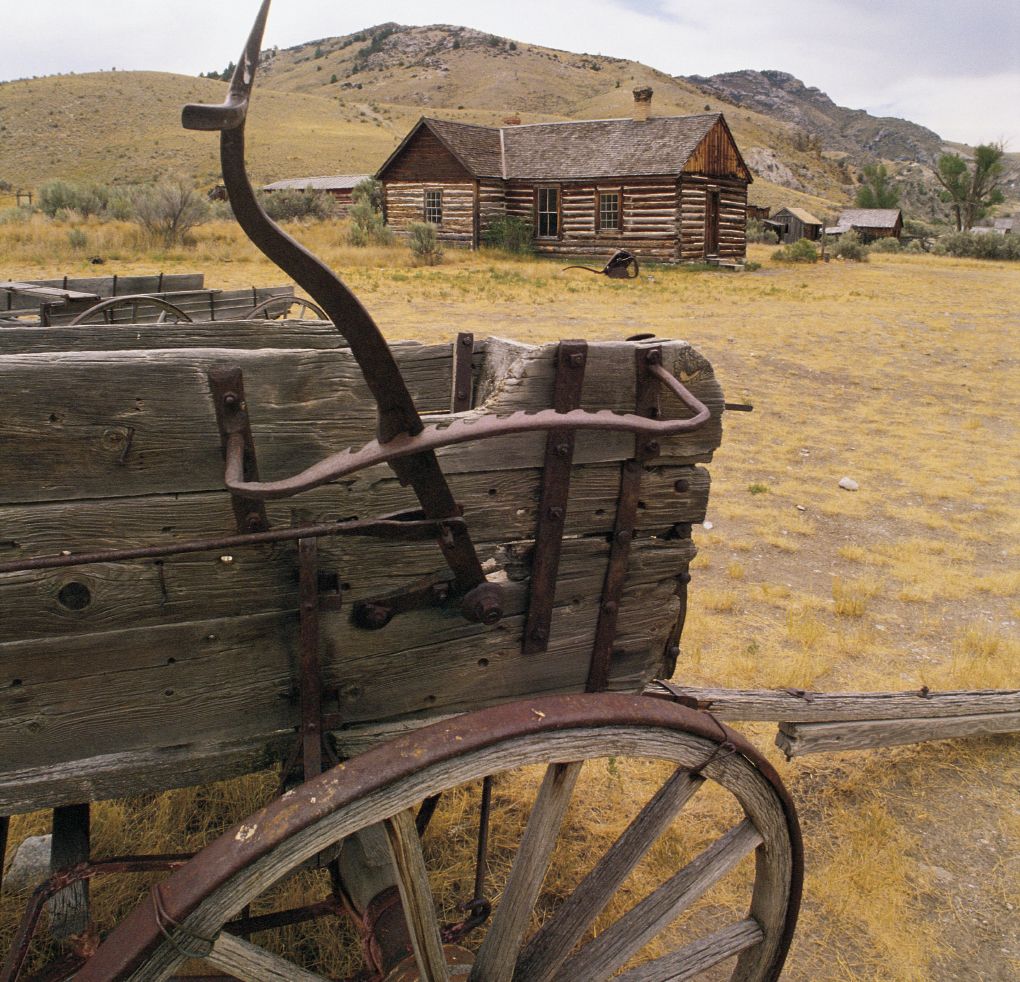
Stagecoach travel along these routes was demanding and often dangerous. Contemporary accounts describe winter journeys along the Julian Road where fierce winds caused coaches to sway violently. In 1883, stage driver Frank Frary recalled that during one such run, he and his passengers loaded “two or three hundred pounds of rocks” into the coach to keep it from tipping over. Even under calmer conditions, the road drew sharp criticism. That same year, The San Diego Union and Daily Bee described the Julian Road as “a disgrace to the county,” writing that it “could hardly be in a worse condition.”
Despite the rough terrain, stagecoaches were a critical lifeline. They carried passengers, mail, and newspapers between San Diego and inland settlements, helping keep isolated communities connected to the outside world. Later recollections preserved by the San Diego Historical Society offer insight into daily travel.
Katie Leng, whose family operated a stage line, recalled that real stagecoaches bore little resemblance to their Hollywood portrayals. “The horses trotted, with frequent breathers,” she said, noting that journeys were slow, practical, and far removed from cinematic myth.
The arrival of the San Diego, Cuyamaca, and Eastern Railroad in the late 1880s marked a turning point. Rail service shortened travel times and shifted El Cajon’s role from a rural stopover to a growing agricultural community with stronger economic ties to San Diego.
Even so, stagecoaches continued to operate, ferrying people and goods between rail stops and mountain towns, such as Julian.
By the early 20th century, automobiles had begun replacing stagecoaches, and wagon roads were gradually improving and being paved. Portions of the old Julian Road became part of U.S. Route 80, one of the nation’s early transcontinental highways. Though later replaced by Interstate 8, modern road alignments still trace corridors first carved through the valley more than a century ago.
Today, El Cajon continues to function as a transportation crossroads for East County, connecting major roadways with regional bus routes and nearby trolley service. While the modes of travel have changed, the city’s role as a place of movement and connection has not. From dusty trails and stagecoach stops to freeways and transit centers, El Cajon’s transportation story mirrors the broader evolution of Southern California—shaped by geography, necessity, and generations determined to keep moving forward.