
Before El Cajon became a city, it was a rural valley crossed by travelers heading to the mountains — and one early resident saw an opportunity to give them a place to eat, rest and spend the night.
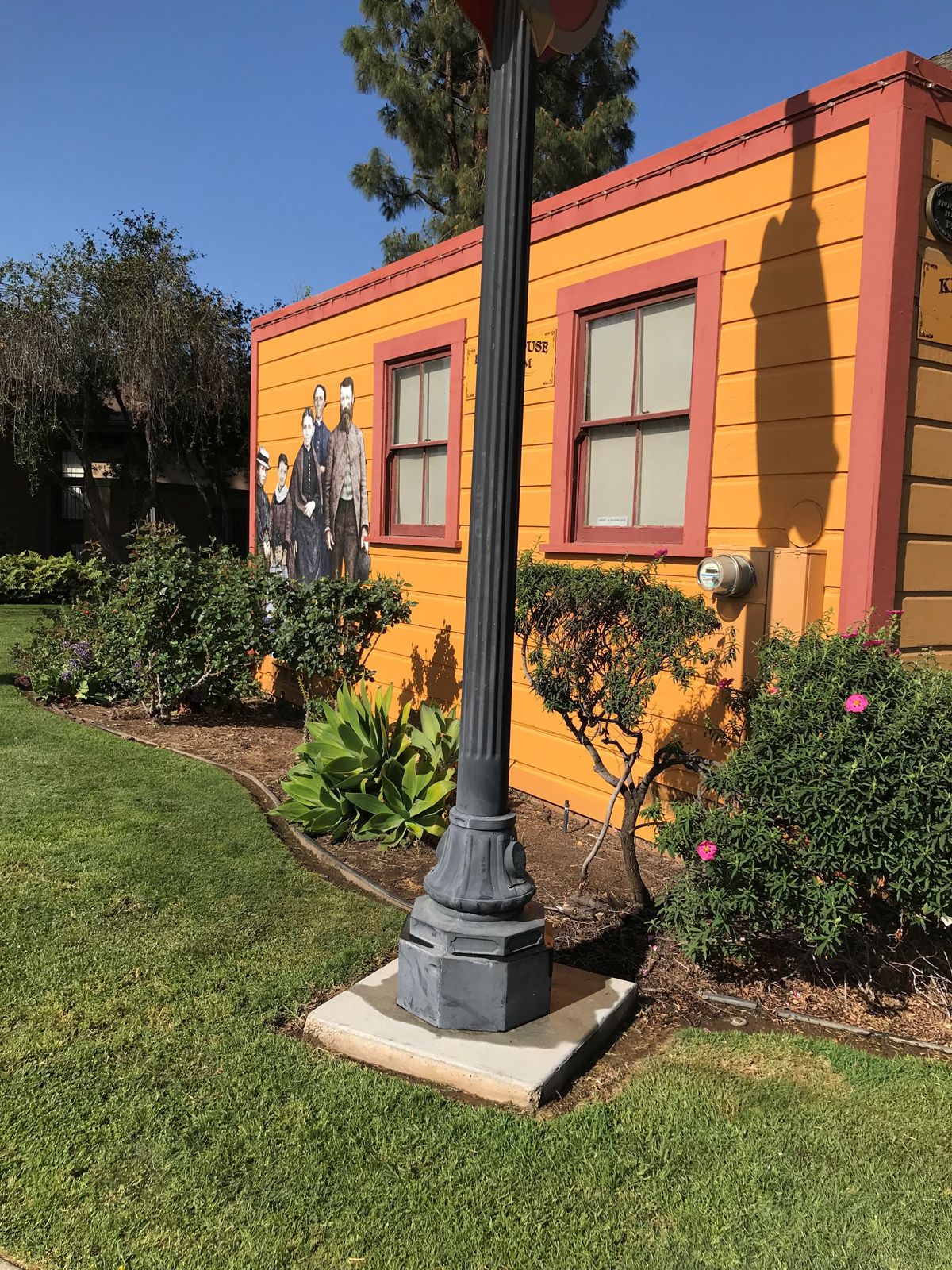
The Knox House Museum preserves the story of that era, when Amaziah Knox built what became the valley’s first commercial building and helped create the community that grew around it.
The building’s history dates to 1876, when Knox purchased land in the valley and built the Knox Hotel along a well-traveled route into the mountains. Travelers heading through the area before the hotel opened often stopped near what would become the corner of Magnolia and Main Street, where they slept outdoors.
“Prior to the Knox Hotel travelers were stopping at what would become the corner of Magnolia and Main Street and were sleeping on the ground,” said Rick Hall, past president of the El Cajon Historical Society. “Mr. Knox apparently decided that it might be a good place for a hotel.”
The Knox Hotel offered travelers shelter from the weather, a hot meal and a place to board their horses. A room at the hotel cost $1 per night.
The hotel soon became the center of the valley’s early commercial activity. After Knox married Illa Birdsey, the building became the family home, but the family continued operating a hotel by adding a 24-room annex.
“The Knox Hotel was the first commercial building in the valley and the city essentially grew from that point,” Hall said.
Knox also served as El Cajon’s first postmaster, with the stagecoach stopping at the hotel to bring passengers and mail.
“The stagecoach would stop at the Knox Hotel bringing passengers and presumably mail,” Hall said.
In El Cajon’s early years, residents often helped the community grow by recognizing local needs and finding ways to meet them.
“In the early days of El Cajon growth largely occurred due to someone seeing a need and then fulfilling it,” Hall said. “One of many needs Mr. Knox fulfilled was that of Postmaster.”
While some accounts have stated that as many as 25 families lived in the Knox House, Hall said that information is incorrect.
“We don’t remember any stories about 25 families living at the Knox House,” Hall said. “There were however in 1878, approximately 25 families living in the entire valley.”
Today, visitors to the Knox House Museum can see the original two-story portion of the building constructed in 1876. The furnishings reflect the period, with authentic pieces donated by early pioneer families as well as several items that belonged to the Knox family.
“The furnishings in the Knox House are authentic to the time period,” Hall said. “There are no replicas, many pieces were donated by early pioneer families and there are a few pieces of original Knox Family furniture.”
The museum uses stories passed down through the Historical Society to help visitors understand daily life between 1895 and 1912, when the building served as the Knox family home. Exhibits also highlight the valley’s agricultural heritage, the conveniences of the era and the events that contributed to El Cajon’s growth.
“We try to incorporate stories that have been relayed to and pass down to the Historical Society,” Hall said. “We also try to highlight, somewhat, what the valley was like and what it may have been used for prior to that time frame and some of the events that contributed to El Cajon’s growth.”
Today, the Knox House Museum offers visitors a glimpse of a time when El Cajon was still a small valley community and one building served travelers, residents and a town just beginning to take shape.