
A La Mesa physician has been named chair of the governing board of one of the nation’s largest medical specialty organizations, a role he calls one of the highlights of his career.
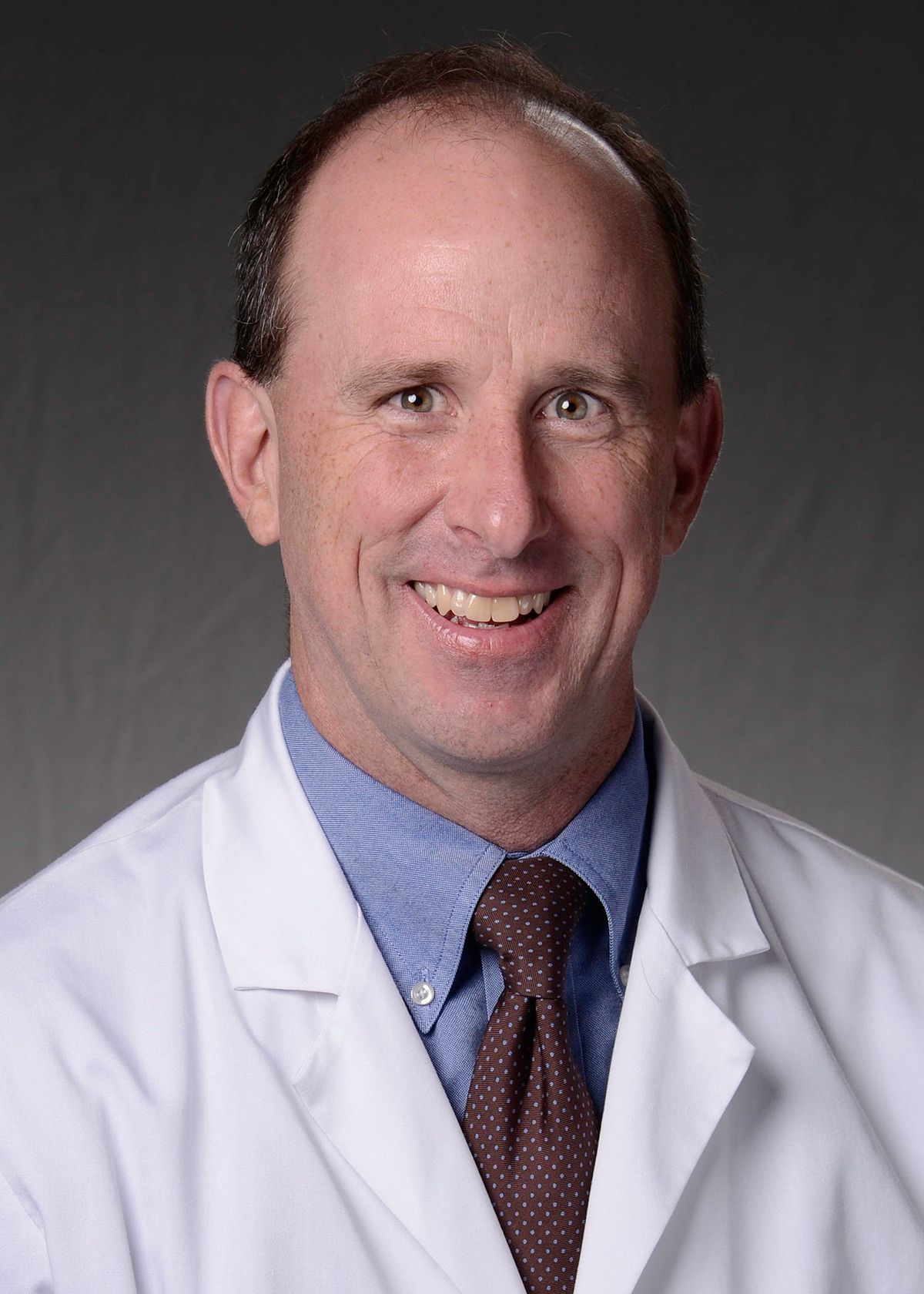
Dr. Charles J. Hamori, an internal medicine physician with Kaiser Permanente in La Mesa, has been appointed Chair of the Board of Regents for the American College of Physicians.
His term began on April 18 during the organization’s Annual Internal Medicine Meeting in San Francisco.
The Board of Regents serves as the primary policy-making body for the American College of Physicians, which represents more than 163,000 internal medicine physicians, subspecialists, and medical students in more than 170 countries.
“For me to be named Chair of the ACP Board of Regents is one of the highlights of my career,” Hamori said. “Nobody goes into medicine for the titles; the road to get here is long and hard, and the most important thing is our patients.”
Hamori earned his medical degree from the UC San Diego School of Medicine and completed his residency at UC San Diego Medical Center. He became a Fellow of the American College of Physicians in 2007 and served as Governor of the ACP’s California Southern Region III chapter from 2017 to 2021.
He said practicing medicine in La Mesa has shaped his perspective on healthcare and community.
“La Mesa is a microcosm of San Diego, and really the country,” he said. “My patients are my neighbors, my daughter’s fifth-grade teacher, a firefighter, a sheriff, the clerk at Albertson’s. I see them at Costco, Home Depot, the farmer’s market, and my favorite burger joint.”
That connection, he said, reinforces the importance of trust between physicians and patients.
Among the biggest healthcare challenges today, Hamori pointed to declining trust in medicine, attacks on science and public health systems, physician shortages, and issues with healthcare access and payment.
“In the ChatGPT world, I find that there are those who feel their Internet search is better than my years of training,” he said. “It is pretty demoralizing.”
At the same time, he emphasized that medicine has always evolved through research and self-correction.
“Science is messy,” Hamori said. “There are things that seemed like a good idea at the time that we no longer do, and there are things once dismissed that became standard practice. But science is self-correcting, given time.”
Hamori also expressed concern about growing physician shortages, particularly in primary care, as older doctors retire and fewer physicians enter the field.
“I think building our primary care workforce and restoring trust would be the top two priorities,” he said of his goals in the new role.
He said physicians must continue advocating for patients at local and national levels.
“All doctors are advocates,” Hamori said. “Mostly, we advocate for our patients, whether that is going up against the insurance company AI bot that denied our request for an MRI or calling a colleague to get our patients in for a consultation.”
Hamori also addressed the growing role of AI in medicine, saying it is already shaping patient care and administrative systems.
“I use an AI scribe to transcribe my conversations with patients,” he said. “It does catch more details than I might, but it needs fact-checking. It is a tool that makes me better, not a master.”
For young physicians interested in leadership, Hamori said bedside experience remains essential.
“You become a leader in medicine by doing your day job first, and doing it well,” he said.
“Doctors need to partner with those who make policy decisions to make sure it really serves our patients and our communities.”